Biodiversity as a key to personal and planetary wellbeing
In this blog, Ed Bailey, Farm Vet at The George in Malmesbury, and Chair of the board of directors at Vet Sustain, explains how we can all play out part in the biodiversity crisis and how this can be linked to improving our own wellbeing.
Ed Bailey
Like many environmentally conscious people, I can find the planetary health crisis overwhelming. The more widely you read, the more the bad news seems to pile up. You do what you can – fly less, buy less, think about what you eat and who you vote for – but in the face of Trump and his ilk it can all feel a bit futile.
For many of the transgressed planetary boundaries the effects are global, so even transformative progressive action at a local level is completely eclipsed by wider inertia. You can try really hard to improve the footprint of your family and your place of work, but set against events like current global conflicts or the annual wildfire devastation it can be hard to maintain a sense of progress and hope.
The glorious exception to this is biodiversity.
All of us can rapidly influence biodiversity at a local level. It’s possible to see the effects of actions such as leaving areas of long grass in the garden, planting pollinator-friendly species or feeding birds within a few days or weeks. The rapid positive feedback from the consequent burst of life around our homes and gardens is the key to success of many such initiatives. When we notice nature flourishing, it helps ground us in the present. That nature connection can be incredibly helpful in promoting personal wellbeing. This is a lovely example of obliquity – where something may be achieved without aiming for it directly – a principle defined by economist John Kay.
At SPVSCongress 2026, John Taylor gave an inspiring talk describing the positive effects of finding your Why – using values as a basis for actions. Wellbeing has rightfully risen high on people’s agenda in recent years, but in aiming for it directly we seem to have created a wellness bureaucracy which has done little to improve how people feel. In aiming to live and act according to your values, wellbeing is indirectly achieved. By holding a value of nature connection, fostering a sense of belonging, responsibility and agency, it can be possible to push back against eco-anxiety and feel re-energised.
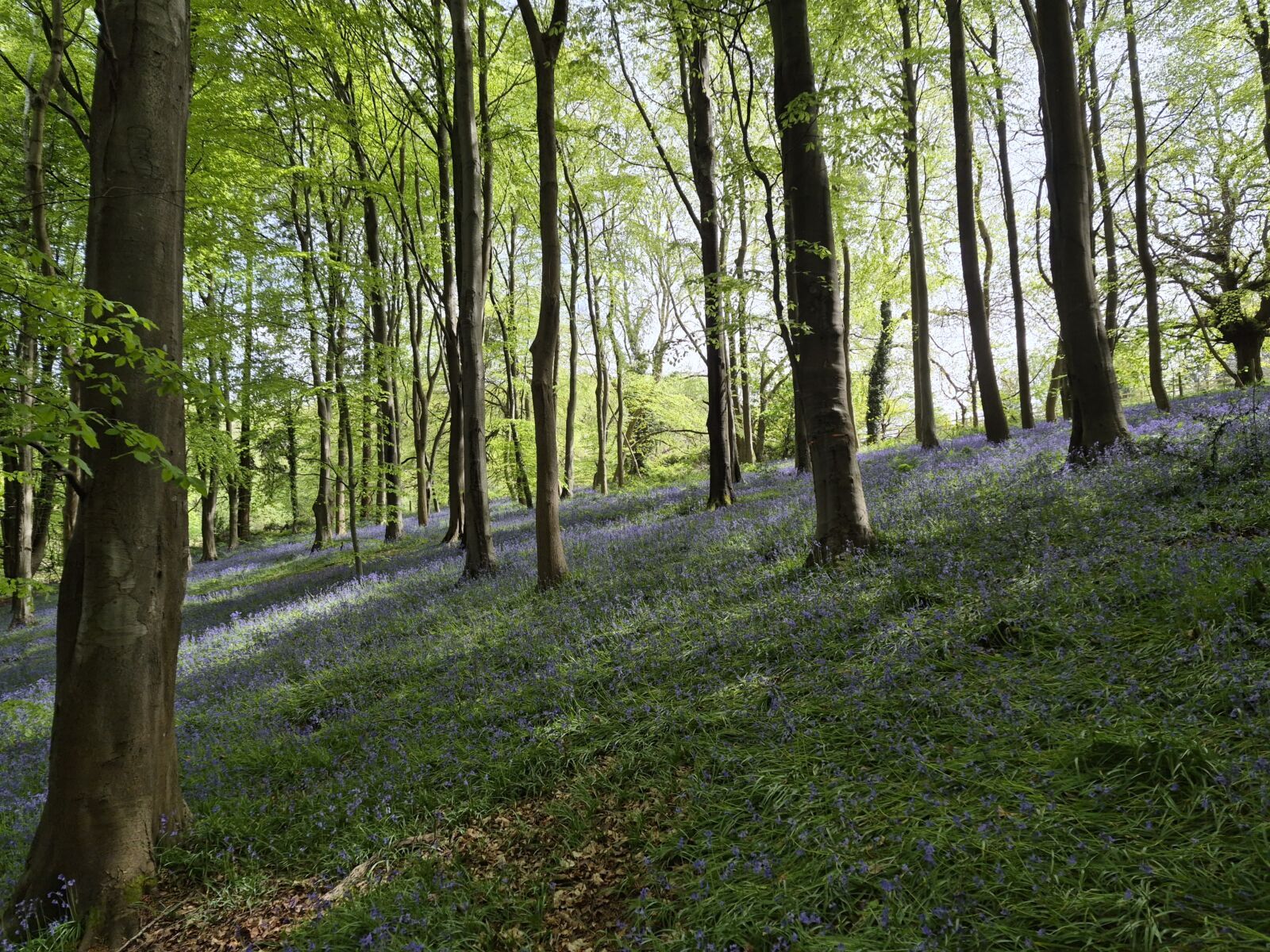
Working as a farm vet, it is possible to integrate this into daily working life. I’m privileged to be able to drive round the countryside, observing the changing of the seasons and the variations from year to year. Working in Wiltshire for nearly 20 years, I have seen Red Kites go from being a spectacular rare sight to a common companion, sometimes found in circulating stacks of 15-20 individuals. The proliferation of new hedgerows has been remarkable, as has the adoption of diverse swards full of flowers, minimum tillage agriculture and the use of cover crops. Regenerative agriculture practices have increased habitat and life on farms, resulting in noticeable increases in many species including hares, goldfinches and butterflies.
Noticing such changes has become a rewarding point of engagement with farmers. By asking what they are doing differently and trying to understand what they are doing and why, it is possible as a farm vet to gain a fuller understanding of the goals and values of your client, and how you as the vet can influence the farm environment. The impact of your advice around husbandry and medicine use can be significant. For example, the farm may have routinely applied synthetic pyrethroids to livestock throughout the grazing season, but the farmer may have an interest in promoting soil biology and to better understand possible interaction. Reducing insecticide use and providing more habitat for predators such as birds, insects and bats may rapidly result in changes on farm which might be seen by you and the farmer – swifts, swallows, tree sparrows and yellow wagtails have all become more abundant on farms I have worked with. While I am often technology-averse, developments such as Picture This or the Merlin app have been incredibly helpful to recognise and identify flowers or birdsong for example. Once you recognise the sight or sound of a species it becomes much more noticeable, helping a habit of awareness of the world around you. I have found that new shared area of interest with my farm clients to be extremely rewarding and to help feel a part of the landscape in which I work.
I feel that nature connection is also a good starting point into wider sustainability considerations. Of all the 6 Ws, I find Wildlife to be the most helpful place to start. Many have spoken of the challenges of carbon tunnel-vision – the idea where emissions efficiency is used as an argument for intensification, often at the expense of animal welfare, waste, wildlife and the wellbeing of those caring for the farmed animals. By starting from the perspective of maximising biodiversity, it is likely that farmed animals will be kept outside for as much time as possible, giving the potential for high welfare through expression of natural behaviours. This necessarily results in a reduction of intensification, with less reliance on imported feed and the potential land use change implications of the “ghost acres” farmed to supply that feed. Much less slurry is produced when animals are kept outside for most of the time, reducing potential impacts on water and reducing the waste associated with mechanisation of manure handling. A diverse landscape with biologically active soils can cycle carbon more effectively, mitigating warming impact, and hopefully promoting the wellbeing of those working in the farmed environment.
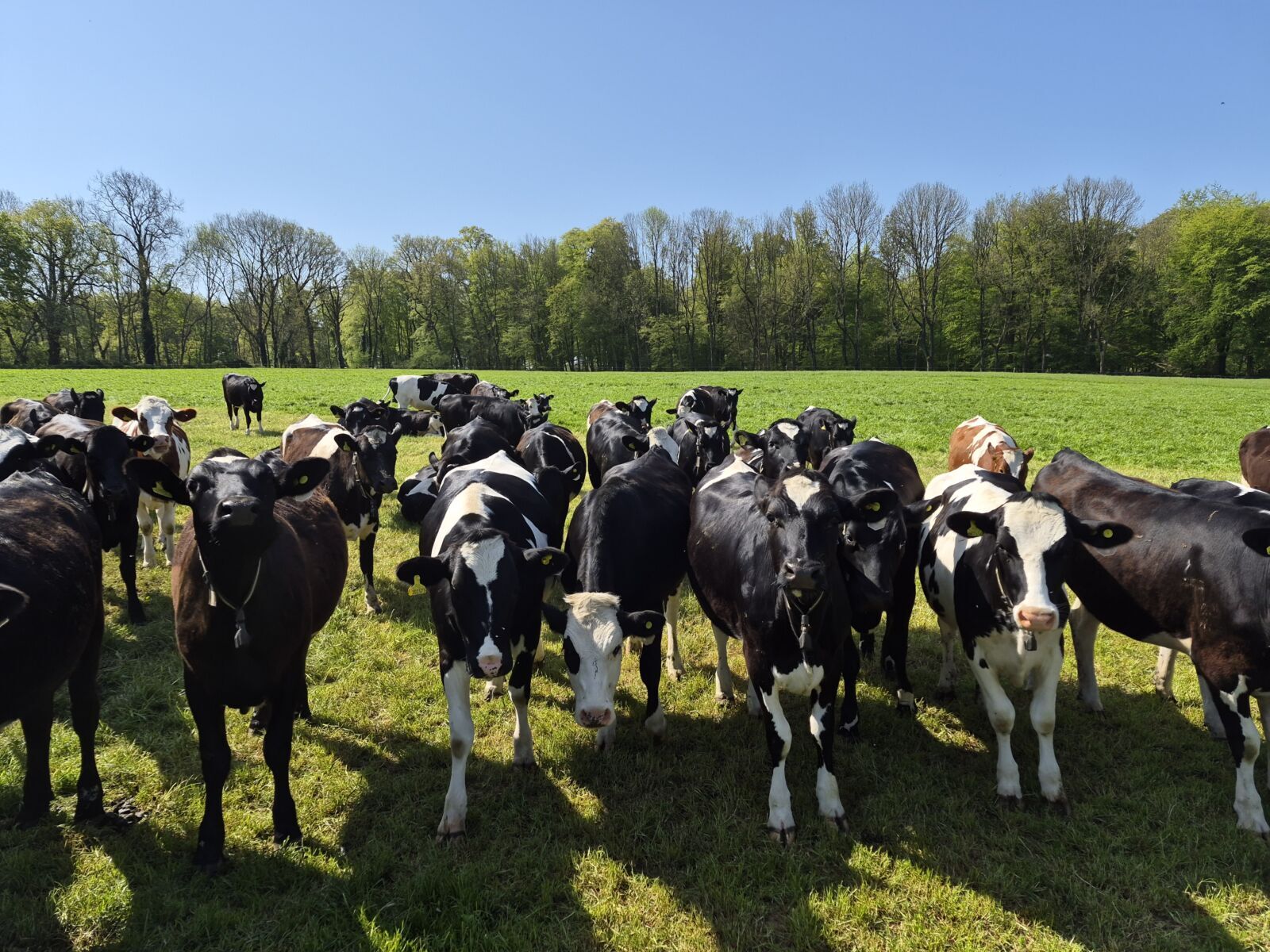
In ruminant agriculture, we are fortunate that there is no correlation between output and profit, so this approach does not come at a cost of economic sustainability. Diversity builds in both climate resilience and economic resilience. Every farm is different, and the priorities and motivations of farmers and vets will need to be adapted to individual context. However, for those engaged with the concepts of sustainability in animal agriculture, this version of implementing the 6Ws as a lens for decision making based on values may be helpful. I hope that those working in other fields of veterinary care might also be able to apply the principles to their particular role and find it helpful too.