Meet Dr Viliam Senior Veterinary Inspector & Border Control Animal and Plant Health Agency
Dr Viliam Hoferica BVMSci (Hons), MRCVS, MRSPH
Vet Sustain
Hi Vil, What is your current role and what are you professional interests?
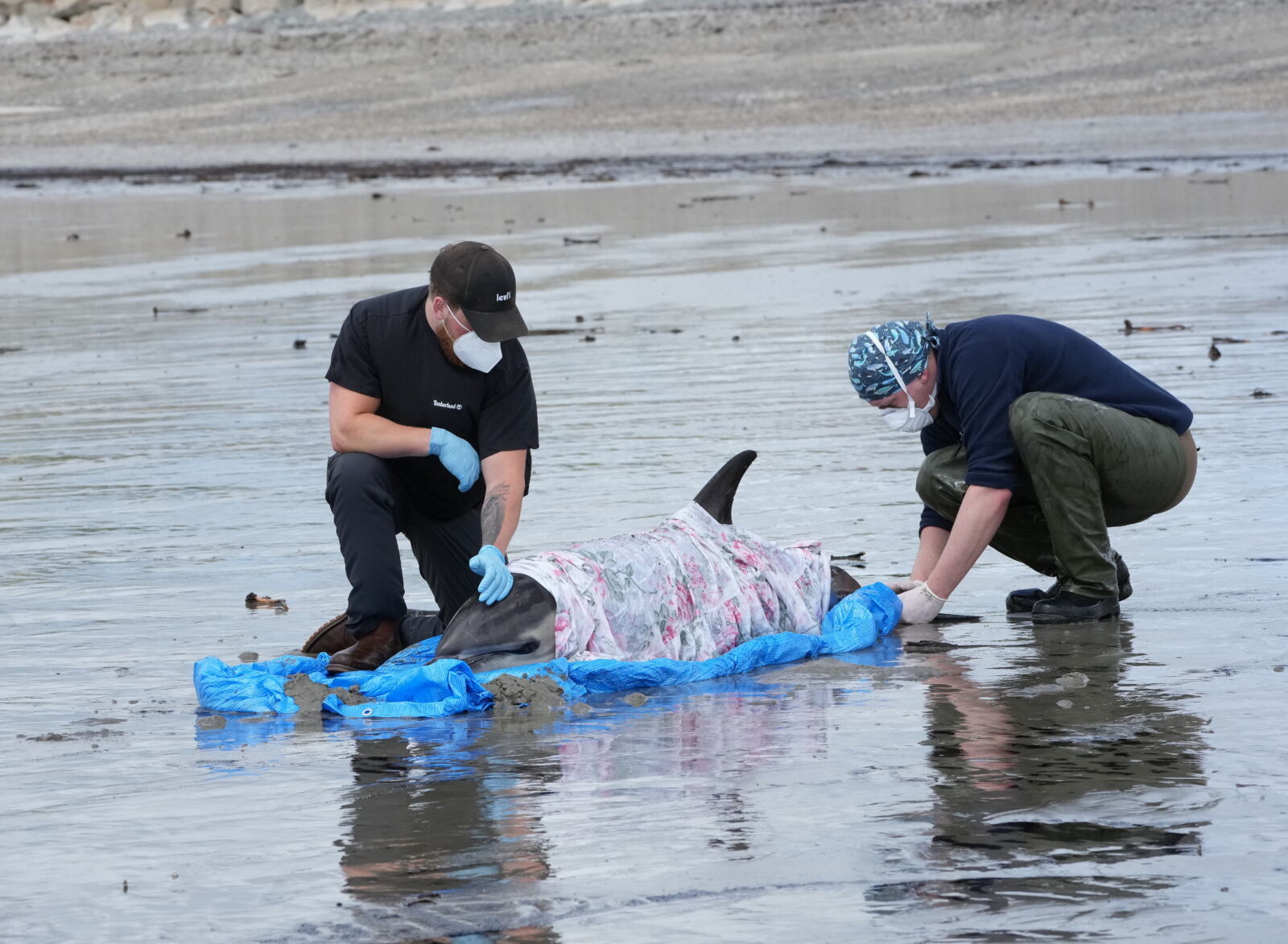
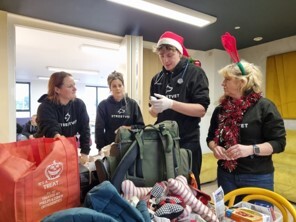
My current role is as a Senior Veterinary Inspector & Border Control with the Animal and Plant Health Agency, where I help protect animal health, welfare and UK biosecurity through border control, disease surveillance, outbreak response and regulatory work. I also continue to work as a locum veterinary surgeon across companion animal and exotic practice, which helps me stay connected to clinical work and the day-to-day realities of practice. My wider professional interests are rooted in One Health, public health and sustainability. I am particularly interested in how veterinary professionals can contribute to healthier populations, stronger biosecurity, responsible antimicrobial use, animal welfare, resilient food systems and fair access to veterinary care. My volunteering with StreetVet and British Divers Marine Life Rescue has also shaped my interest in the social and environmental dimensions of veterinary work, from supporting vulnerable communities to protecting marine wildlife.
What does a typical day look like for you?
I’m not sure I have a truly typical day, which is one of the things I really enjoy about my work.
In my APHA role, a day might involve carrying out veterinary checks on imported animals, reviewing documentation, undertaking welfare or biosecurity inspections, supporting disease surveillance, or liaising with border control posts, importers, local authorities, policy teams and other stakeholders. Outside of my main role, I also continue to do some clinical locum work and volunteer with organisations such as StreetVet and British Divers Marine Life Rescue. My week can therefore move between individual animal care, public health, animal welfare, biosecurity and wildlife rescue. Although the work is varied, the common thread is trying to use veterinary skills in ways that protect animals, people, communities and the wider environment.
What is your favourite part of the job?
My favourite part is that the novelty of veterinary work has never really worn off. The profession is incredibly diverse, and I enjoy seeing how veterinary skills can be applied in so many different ways, from clinical practice to roles far beyond it. I also value how transferable veterinary skills are. Communication, problem-solving, decision-making under pressure, empathy, leadership and scientific thinking are all skills that can open doors into very different areas. There is no single way to be a vet, and I think that is one of the most exciting things about the profession. Each person can build a different career that still feels meaningful, impactful and fulfilling.
What is the most challenging part of your job?
One of the most challenging parts is that, with so many interests and opportunities within the profession, it can sometimes be easy to feel pulled in different directions. Moving away from being a full-time clinician has also meant adjusting to work where the impact is not always as immediate or visible as treating an individual patient in front of you. What has helped me is learning to recognise and embrace the bigger picture. In public health, biosecurity and regulatory work, the impact can be broader and more preventative, protecting animal welfare, supporting disease control, safeguarding communities and contributing to healthier systems. That has made me really value the work I do now. At the same time, I feel very lucky that veterinary professionals have so many opportunities to contribute outside their main role. Volunteering with charities such as StreetVet and British Divers Marine Life Rescue is incredibly fulfilling and keeps me closely connected to the direct human-animal bond, animal welfare and community impact that first drew me to the profession.
Do you have any tips for achieving a good work-life balance?
I try to follow the idea that, when you enjoy what you are doing and it feels aligned with your values, it is much less likely to feel like a chore. That has shaped how I approach my veterinary career. I try to choose roles and opportunities that feel meaningful, varied and connected to the things I care about. At the same time, setting boundaries has been a huge area of growth for me as a veterinary professional. In a caring profession, it can be easy to keep saying yes, but I have learned that boundaries are not a lack of commitment; they are part of making a career sustainable. For me, this is very much part of lifelong learning as a vet: understanding my limits, making space for rest and interests outside work, and recognising that looking after myself helps me keep contributing well to the people, animals and communities I care about.
How do veterinary professionals currently help to drive sustainability?
Veterinary professionals help drive sustainability in many different ways, from responsible medicine use, antimicrobial stewardship and preventative healthcare to animal welfare, client education, waste reduction and better use of resources. For me, sustainability is closely linked to One Health. In my APHA role, I see how biosecurity, disease surveillance, welfare inspections and border control contribute to more resilient animal and public health systems. Through StreetVet, I also see the social side of sustainability, by helping make veterinary care more accessible to vulnerable communities. My work with British Divers Marine Life Rescue has shown me the environmental and conservation side of the profession too. I think sustainability is not just about being greener, although that is an important part of it. It is also about healthier animals, fairer access to care, responsible systems, disease prevention and protecting the wider environment.
What do you feel are the major opportunities to drive sustainability in the veterinary sector?
From my point of view, one of the biggest opportunities is embedding sustainability into daily veterinary decision-making in a practical and evidence-based way. Antimicrobial resistance is a major example, where responsible prescribing and stewardship are essential. Another important area is the growing awareness around environmental contamination, including parasiticides, where we need to gather and apply evidence, then support changes that lead to better outcomes for animals, people and the environment. One Health is also a huge opportunity for the veterinary sector. Vets sit at the intersection of animal health, human health, environmental health, food systems and public policy, which gives us an important role in shaping more sustainable systems. My APHA work has really shown me how connected these areas are through biosecurity, disease surveillance, border control and animal welfare. I also think career sustainability matters. With the profession facing challenges around retention, wellbeing and long-term satisfaction, flexible working, varied career pathways and healthier workplace cultures are essential for keeping veterinary professionals engaged and able to contribute.
What are your top tips for veterinary professionals wishing to take the first steps to drive sustainability in their roles?
My top tip would be to stay open to change and start with small, practical steps. Sustainability can feel like a huge topic, but meaningful change often begins with the decisions we make every day: how we prescribe, how we communicate with clients, how we use resources, how we support our teams, and how we think about prevention. I also think it is important to ground yourself in the communities you are part of, whether that is your practice team, your clients, your local area, your professional network or the wider environment. As vets, we are already trained to listen, observe and respond thoughtfully at work. If we extend those same skills towards sustainability, we can start to notice where change is needed and where we can have the greatest impact. Small actions, when shared and repeated across a profession, can create a real ripple effect.
If you could wave a magic wand and make one improvement to drive the sustainability impact of the veterinary profession, what would it be?
If I could wave a magic wand, I would help more people see the bigger picture and recognise how connected our work really is. Many professionals, whether vets, doctors, public health specialists, policymakers, conservationists or others, are often working towards similar goals but from within separate silos. My magic spell would be a shift in mindset: to build stronger bridges between those silos and make collaboration feel like the norm rather than the exception. So many of the challenges we face, including antimicrobial resistance, climate change, disease outbreaks, animal welfare, food security and health inequalities, cannot be solved by one profession alone. If we could embrace that interconnectedness more fully, I think we could create more sustainable, resilient and compassionate systems for animals, people and the environment.