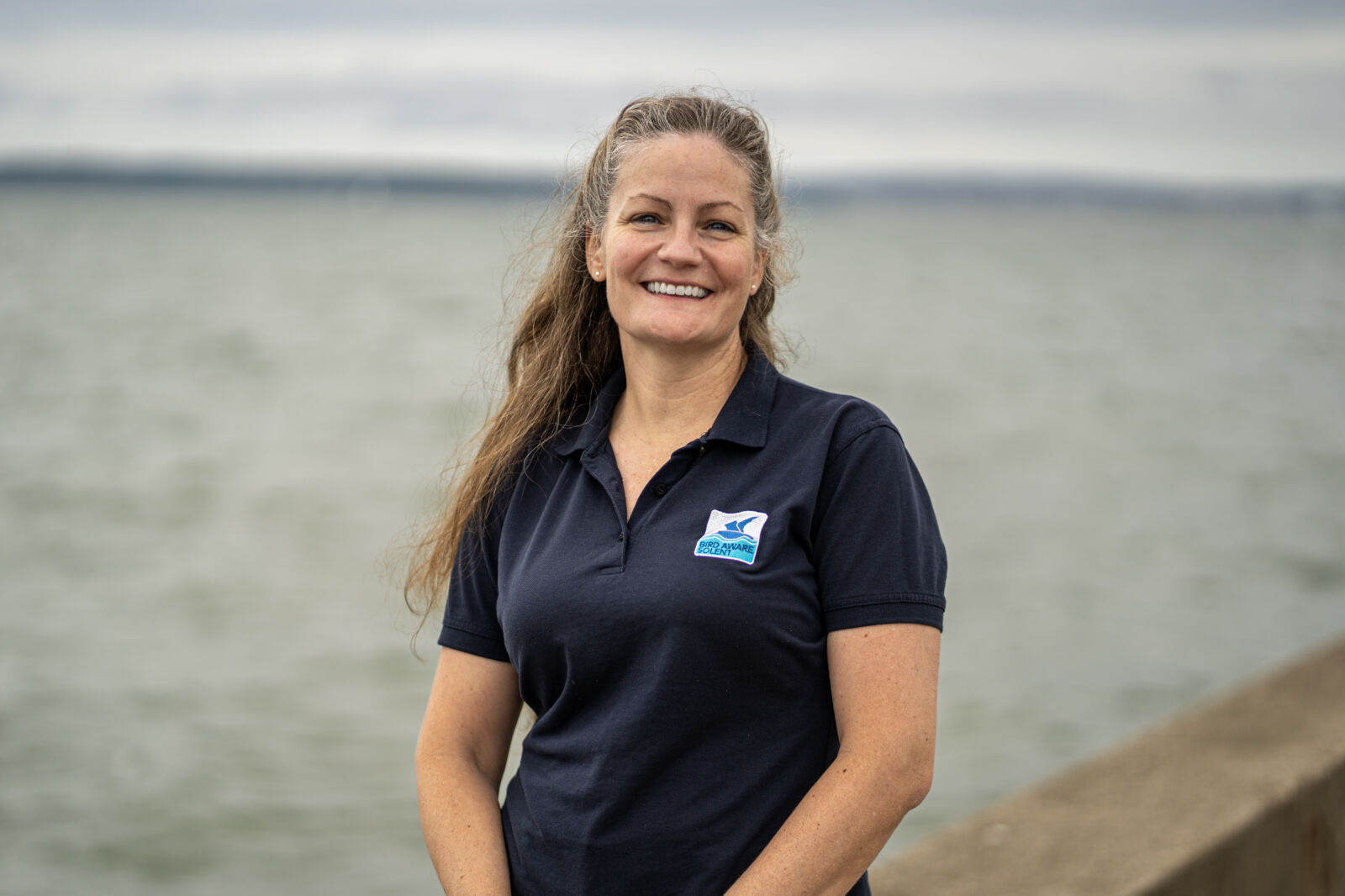
Meet Penny Hounsome, of Coast and Country Canines
In this blog we meet Penny Hounsome, Dog Industry Outreach Ranger, for Coast and Country Canines, part of Bird Aware Solent, in southern England. Here we learn about Penny and her teams work in engaging with the local dog owners in the community to promote enjoyable, safe and wildlife-aware dog walking with the key aim of reducing the recreational disturbance to wildlife.
Vet Sustain
Hi Penny! Its lovely to meet you! Can you tell us a little about yourself and your work with Coast and Country Canines.
Coast and Country Canines is the dog initiatives team within Bird Aware Solent. We work to engage with the dog community to promote enjoyable, safe and wildlife aware dog walking. The key aim is to reduce recreational disturbance to wildlife. My particular role is to collaborate with local dog businesses and professionals to spread our educational message and provide resources to dog businesses to drive positive behaviour change, for the benefit of biodiversity.
What does a typical day look like for you?
Each week contains a great mixture of days where I am out on coastal wildlife sites with a ‘pop-up table’ engaging with dog walkers (and enjoying dog cuddles!), developing bespoke resources for different businesses, sharing our existing resources, working remotely and in the office to plan productive collaborations, running in person workshops for dog owners and visiting businesses across the region.
In each day there is also always a decent cup of coffee, likely some wildlife geeking and I usually end the day with yoga and a good read.
What is your favourite part of the job?
I am fortunate to meet a huge range of dogs during my work and as a dog obsessive, this is pure joy for me! I was brought up to appreciate all wild animals but especially birds, so also spending lots of time in some of the most important and biodiverse habitats in the UK, watching and listening to each species return to the Solent every year, is very special.
What is the most challenging part of your job?
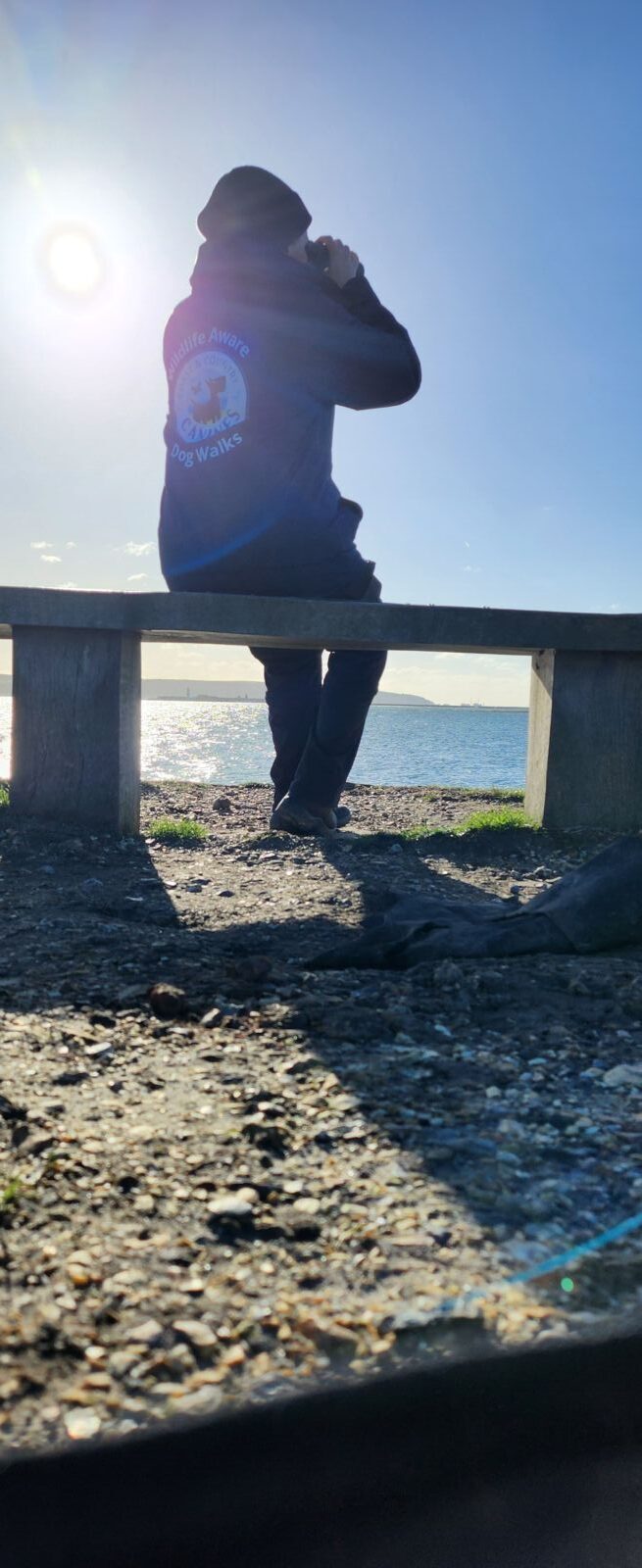
I do, unfortunately, witness dogs disturbing wildlife along the coast from time to time. Sometimes this means dogs running toward birds and flushing them from their feeding, resting, or nesting habitats; other times it happens when owners leave the path and allow their dogs to roam, causing the same disruption. It’s difficult to watch, knowing the impact each disturbance can have on the birds’ chances of survival and breeding success.
In almost every case however, the dog walker will just have been genuinely unaware of the risk or the impact – not maliciously trying to do harm. Making sure I remain calm and positive in that situation, to share some information to make a change, can sometimes be challenging but ultimately rewarding in the vast majority of cases. Inspiring people about the birds is the first step and this means being persistent, positive and polite.
Do you have any tips for achieving a good work-life balance?
I am incredibly lucky to have a job that includes my favourite activities already, so this is a huge help. Being out in nature, taking time to observe the environments we love and protect, smiling and laughing with dogs and people – and taking a moment to “look up” as I call it - to pause, breathe and really enjoy the good things around you. Practically, when I’m not working, I am very clear that the phone is off, the laptop packed away, and I try to focus on the joyful moments in all the other facets of my life.
I think as people who care, we can often put a lot of pressure on ourselves to resolve all the problems we are shown, and this is especially true if you work with animals or children. Having worked with both over the years I see this playing out in my veterinary professional friends too. Recognising the limits of the difference we can realistically make helps us avoid blaming ourselves for the fact that the world isn’t perfect yet.
How do veterinary professionals currently help to drive sustainability?
Veterinary professionals (at all levels) are powerful links between dogs, their owners, and our impact on the environments we use. I have visited practises where there is a dedicated ‘Green Champion’ who is passionate enough to really push on this agenda, really developing features in their organisation from across the RCVS Practice Standards Scheme (PSS) that discuss sustainability. I have seen practices promoting sustainability through various methods such as having environmentally focussed waiting area displays educating clients, easy and promoted access to recycling, choosing as many plastic free options as possible in purchasing processes, using renewable energy on site which is clearly visible to clients, thinking about environmentally safe cleaning product choices, buying locally sourced accessory or office products, sharing sustainability focused social media posts, linking the practice publicly to a community of ethical practitioners and sources of information, and by all staff highlighting green options and advice to owners – leading by example.
What do you feel are the major opportunities to drive sustainability in the veterinary sector?
I am pleased to say that there is a growing awareness and action regarding the responsible use of parasiticides – but I’m afraid there is still a long way to go! Many dog owners continue to overuse spoton treatments because they believe they need to, which has serious consequences for our waterways. There’s also little understanding that even oral treatments can harm land-based ecosystems when dog waste isn’t disposed of properly. Veterinary professionals have such an important role in educating their clients here.
I would also love to see more vets be active ambassadors on what a truly welfare conscious choice is, when walking and training a pet dog. There is a natural link between advice from a respected vet - to responsible dog ownership more broadly - and here the phrase “an enjoyable, safe and wildlife aware walk” is the key message.
We are all animal lovers and genuinely want to do the right thing, but the guidance on what we can actually do to protect biodiversity could be far better integrated into both passive and active interactions, within veterinary practices that are part of our communities.
What are your top tips for veterinary professionals wishing to take the first step to drive sustainability in their roles?
Start by putting yourself forward as a Green Champion for the practice. Make sustainability a regular item on a regular meeting for the whole team. Practices are under extraordinary pressure so the chance to help wildlife can be easily pushed off the list… if you let it.
Be positive, inclusive and insistent in all your interactions on this subject. We are all close to being overwhelmed by compassion fatigue, so keep it fun, kind and hopeful.
Set targets as a team for the easy wins first – get people on board.
Best way to eat an elephant? One bite at a time…and as a pack! (No elephants should be harmed in the actioning of this plan!).
There is a great example here: Case Study: Ark Veterinary Surgery — Vet Sustain Reward and raise up any positive action for sustainability (however small).
Whether that is direct praise to individuals by a senior team member, a marble jar which leads to a team meal out, mentions on social media of team members making a green difference, physical rewards, or by adding an element of fun competition in the team. Use what we already know, such as excellent existing guidance and resources for example from Vet Sustain, to target sustainability aims in the PSS. You don’t need to invent a new wheel.
Spend time in nature! Don’t forget what you are working for. Join a guided waggy walk with Coast and Country Canines, or a more bird focussed event with Bird Aware Solent. Keep sharing your passion for animals!
If you could wave a magic wand and make one improvement to drive the sustainability of the veterinary profession, what would it be?
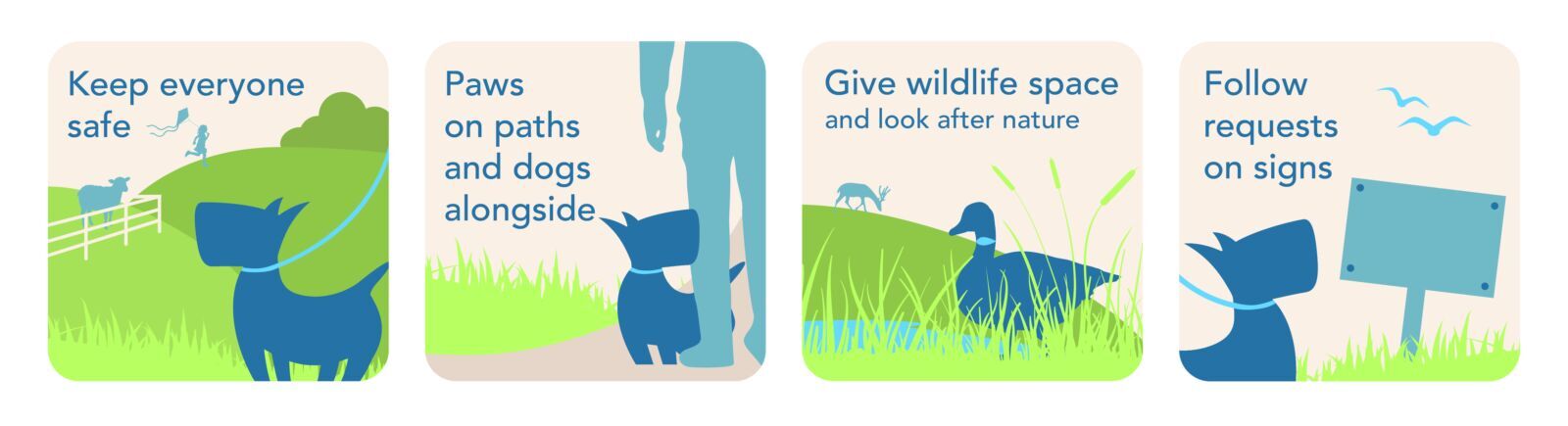
If I could work some magic so that every vet in the UK shared, promoted andfollowed our Canine Code then that is what I would do.
It’s massively impactful but can be summarised as four simple steps:
1. Keep everyone safe.
2. Paws on paths and dogs alongside.
3. Give wildlife space and look after nature.
4. Follow requests on signs.
If we all did just this all of the time, then a huge leap forward for environmental sustainability and biodiversity would have been taken.